

Greetings, fellow holiday enthusiasts! As we gear up for another festive season filled with joy and merriment, it’s only fitting to take a moment and delve into the fascinating history of the one and only, Santa Claus. So grab a cup of hot cocoa, get cozy, and let’s embark on this delightful journey together!

Santa: The Early Origins
Santa Claus, as we know him today, has evolved from various legends and traditions dating back centuries. One of the earliest influences comes from Saint Nicholas, a 4th-century Christian bishop known for his generosity and kindness towards children and those in need.
The Transformation to Father Christmas
Fast forward to the Middle Ages, and we discover an amalgamation of different customs and beliefs. A figure called Father Christmas emerged in England, representing the spirit of good cheer during the holiday season.
Meanwhile, in parts of Europe, particularly in the Netherlands, Sinterklaas became popular. This character, inspired by Saint Nicholas, was believed to visit homes leaving gifts for well-behaved children.

The American Influence
The image of Santa Claus that most of us recognize today can be largely attributed to the influence of early Dutch settlers in America. The name “Santa Claus” itself is a variation of the Dutch term “Sinterklaas.” In the early 19th century, Washington Irving, a renowned American author, wrote about Sinterklaas as a plump, jolly fellow who traveled on horseback and had a mischievous helper named Black Peter.
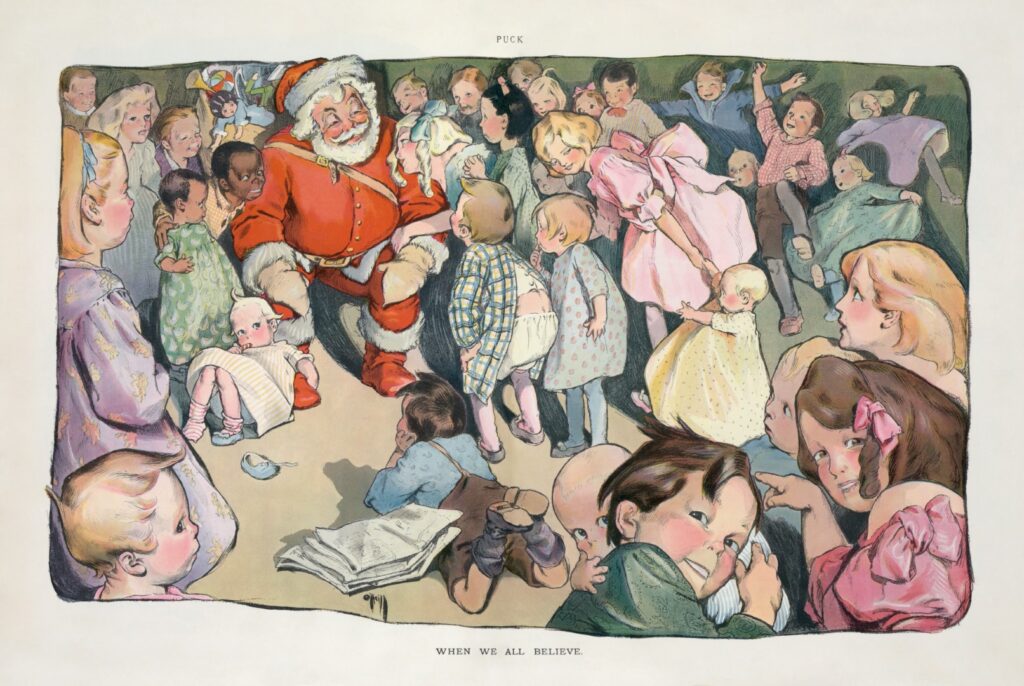
Then came an iconic poem written by Clement Clarke Moore in 1823 – “A Visit from St. Nicholas,” later known as “The Night Before Christmas.” This charming poem depicted Santa Claus as a lively, rotund man dressed in fur, arriving on a sleigh pulled by reindeer. Moore’s creation had a profound impact on shaping the modern-day image of Santa Claus.
The 19th Century Developments
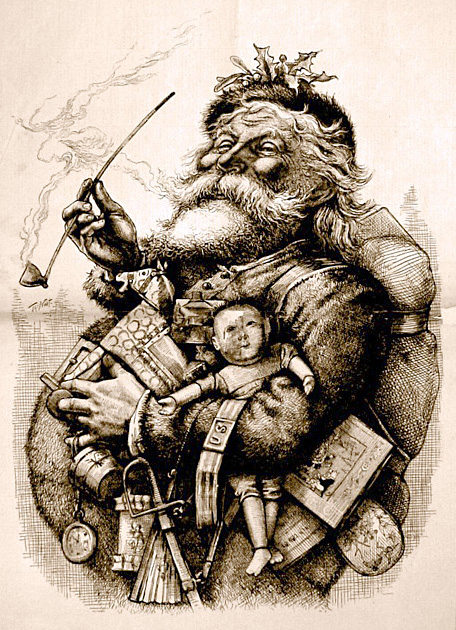
In the mid-19th century, political cartoonist Thomas Nast began to draw Santa Claus for Harper’s Weekly.
His illustrations, which ran from the 1860s through the 1880s, played a significant role in creating the modern image of Santa Claus.
Nast’s Santa was a plump, jolly old man with a white beard and a sack full of toys. He also introduced elements like Santa’s workshop at the North Pole and his list of good and naughty children.
Coca-Cola’s Role
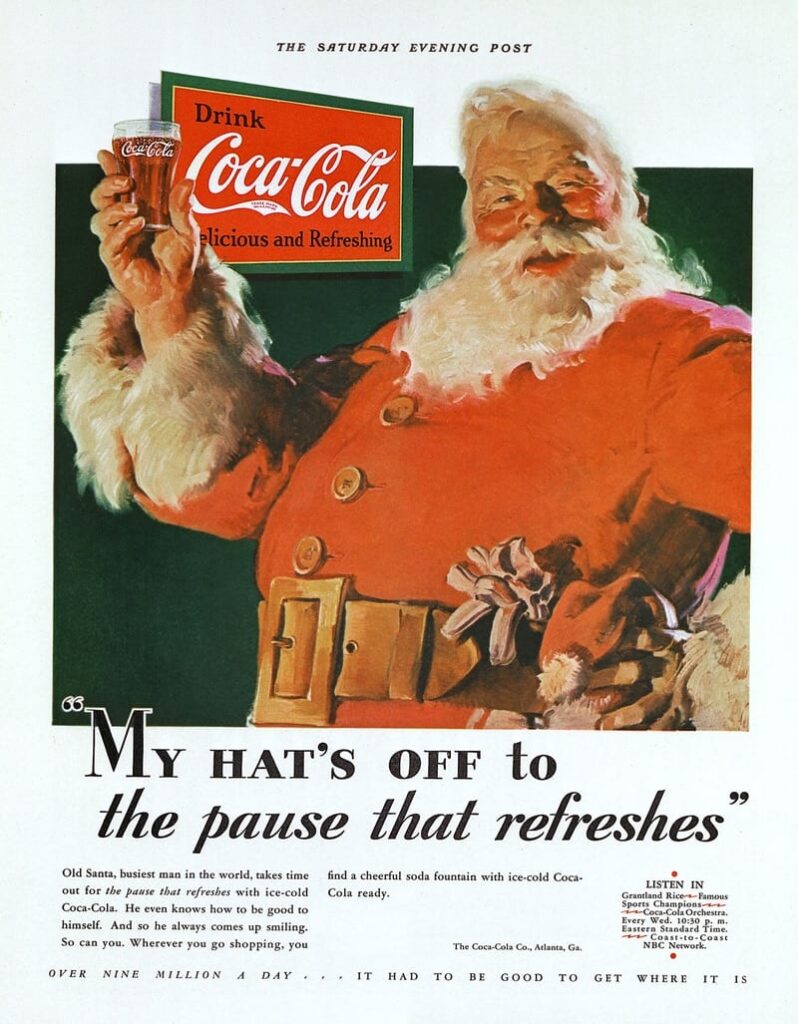
In the early 20th century, Coca-Cola played an unexpected yet significant role in solidifying our modern Santa Claus. Through a series of popular advertisements created by Haddon Sundblom, Santa was depicted as a jolly, white-bearded man wearing a red suit. This iconic representation, widely embraced by the public, further heightened the image of Santa Claus as we know him today.
Santa Around the World

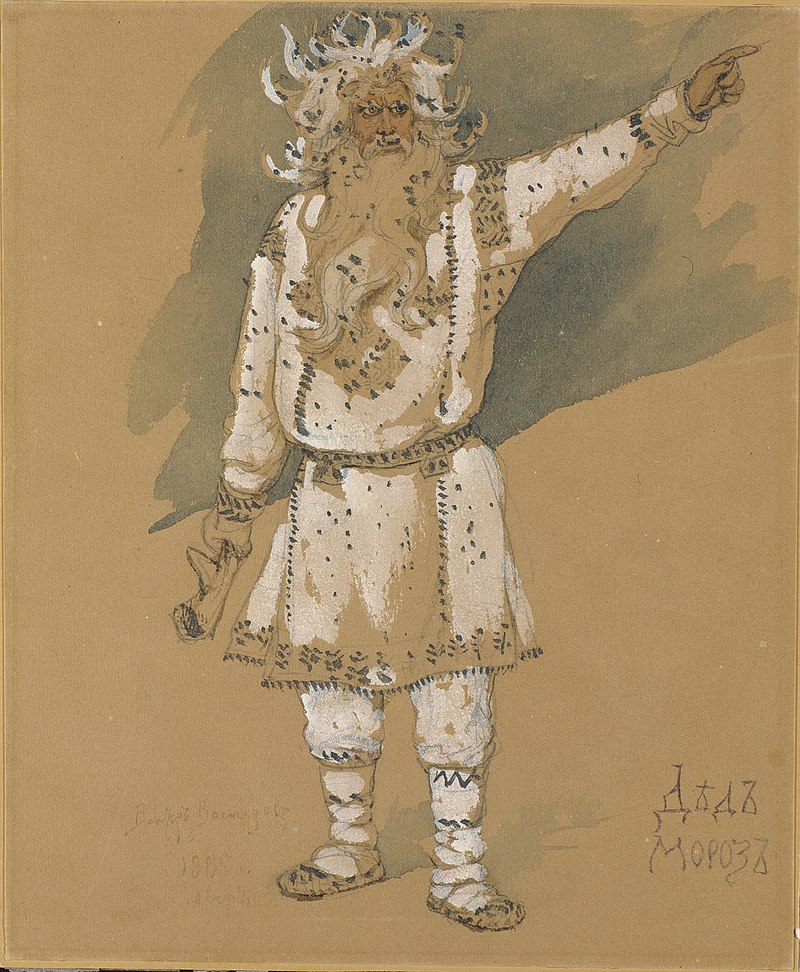
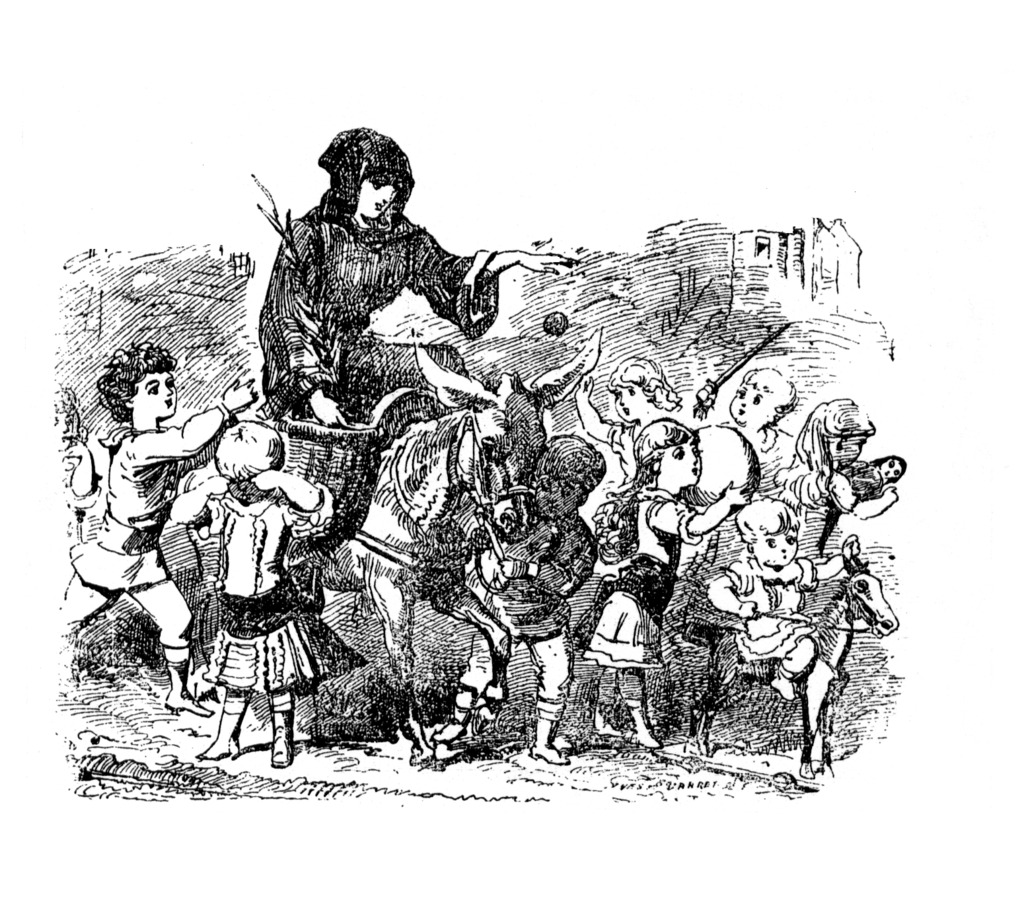
While the American version of Santa Claus gained popularity, different countries had their unique interpretations of this festive figure. In France, Père Noël delivers gifts to children, while in Italy, it’s La Befana, a kind witch who fills stockings with treats. Russia has Ded Moroz, or Grandfather Frost, who brings presents with the help of his granddaughter, Snegurochka. Despite the variations, the essence of a gift-bringing figure during the holiday season remains consistent worldwide.
The Everlasting Icon

While the image of Santa Claus has evolved over time, the spirit of what he represents remains unchanged. Santa embodies the joy of giving, the magic of believing, and the importance of kindness and goodwill towards others. He serves as a reminder to us all, regardless of age, to embrace these values not just during the holiday season, but throughout the year.
As we celebrate this festive season, let’s remember the rich history and evolution of Santa Claus. From Saint Nicholas to Sinterklaas, from Father Christmas to the jolly figure in the red suit, Santa Claus is a testament to the enduring power of tradition, storytelling, and the universal desire to believe in a bit of magic.
So here’s to Santa Claus, a symbol of childhood wonder, a beacon of goodwill, and an enduring icon of the holiday season. May his story continue to inspire joy, generosity, and a sense of enchantment in our hearts. Happy Holidays!
